
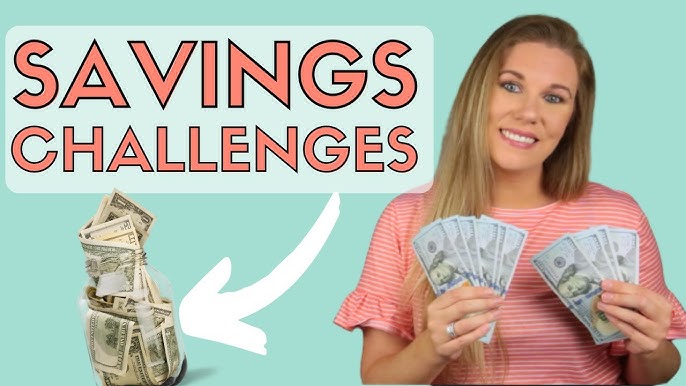
The right challenge transforms saving from a chore into an engaging game with a rewarding finish line.
Do you start each year with grand savings plans, only to see your motivation fizzle out by February? You're not alone. But what if saving money felt less like a restrictive budget and more like a fun, rewarding game? Money-saving challenges work by focusing on the satisfying process of completing small, daily or weekly tasks, rather than just a distant financial goal. This simple shift can retrain your brain and make saving automatic. In 2026, with countless ideas from social media and financial experts, there's a perfect challenge for every personality and budget.
Increased likelihood of sticking to your plan when you focus on the fun process of a challenge instead of just the end goal.
First, Pick Your Challenge Personality
The best challenge is one you'll actually enjoy and stick with. Are you a meticulous planner or do you thrive on surprise? Use this guide to find your match.
What's Your Saving Style?
The 7 Best Challenges to Start in 2026
From classic year-long journeys to quick habit resets, here are the most effective and popular challenges that deliver real results.
Featured Saving Challenges
1. The 52-Week Challenge
1 Year • WeeklyThe Classic Builder. Perfect for the Planner. Save a small, increasing amount each week: $1 in week 1, $2 in week 2, up to $52 in week 52. It eases you into the habit of saving larger sums.
- Start: Save $1 this week.
- Action: Add $1 to last week's amount every week.
- End: Save $52 in the final week for a total of $1,378.
Pro Tip: Do it in reverse! Start with $52 and work down to $1. This works great if you have extra cash after the holidays. Set up a weekly automatic transfer for $26.50 to save the same total with zero weekly thought.
2. The 100-Envelope Challenge
100 Days • DailyThe Fast Payout. Great for Planners who want quicker results. Number 100 envelopes from 1 to 100. Each day, pick one and put that amount of cash inside. The thrill of the random pick makes it engaging.
- Start: Label 100 envelopes with numbers 1-100.
- Action: Pick one envelope daily and insert that amount in cash.
- End: In 100 days, you'll have saved $5,050.
Pro Tip: Go digital for security and interest. Write amounts on slips of paper or use an app to track daily transfers to your savings account instead of using physical cash. Shuffle the envelopes to mix high and low amounts and avoid a tough final stretch.
3. The No-Spend Challenge
Flexible • DailyThe Habit Reset. Essential for The Spender. Choose a period—a weekend, week, or month—and spend money only on absolute necessities: rent, bills, basic groceries. It reveals your true spending habits.
- Start: Define "essential" expenses and choose your time frame.
- Action: Cut all non-essential spending (dining out, shopping, subscriptions).
- End: Save every dollar you didn't spend.
Pro Tip: Start small. Try a "No-Spend Weekend" first. Make it social by challenging a friend. Immediately transfer the cost of any avoided purchase (like a $5 coffee) to your savings to see instant progress.
Watch Your 52-Week Savings Grow
Seeing milestones keeps you motivated. Here's how your balance builds with the classic challenge.
Consistency is key. Even if you miss a week, just pick up where you left off or add a small catch-up amount.
More Great Challenges to Try
- The Round-Up Challenge (For The Techie): Link your debit card to an app like Acorns or Qoins. Every purchase is rounded up to the nearest dollar, and the "change" is automatically invested or saved. It's effortless saving.
- The Weather Wednesday Challenge (For The Gambler): Every Wednesday, check your local high temperature and transfer that amount to savings. A fun, variable twist.
- The Pantry Challenge (For The Spender): Commit to eating only the food you already have at home for one week. Save your entire grocery budget. It reduces waste and reveals how much you stockpile.
- The 1% Retirement Challenge (For The Long-Term Planner): Increase your 401(k) contribution by just 1% of your salary. On a $60,000 income, that's about $12 less per week in your paycheck but can mean over $100,000 more at retirement.
Cash Envelopes vs. Digital Transfers
Should you use physical cash or go fully digital? Both have merits depending on your style.
🪙 The Cash (Physical) Method
- Pros: Tactile, visual satisfaction. The physical act of handling money can make you spend less. Great for envelope challenges.
- Cons: Requires having cash on hand. No interest earned. Security risk if keeping large amounts at home.
- Best for: People who overspend with cards, and those who love a tangible, visual tracker.
📱 The Digital (App/Bank) Method
- Pros: Secure, automated, and earns interest in a savings account. Easier to track and maintain. Apps can round up change automatically.
- Cons: Less tangible. Might feel "invisible" and easier to ignore.
- Best for: Tech-savvy savers, security-conscious individuals, and anyone wanting their money to grow with interest immediately.
"The 26-week challenge was a game-changer. Starting at just $3 a week felt like nothing, but by week 26, I had over $1,000 without ever feeling the pinch. It taught me to find savings in my daily routine, like packing lunch and reviewing subscriptions."
Your 5-Step Challenge Launch Plan
Ready to start? Follow this simple checklist to ensure success.
Quick-Start Checklist
Start Today, Reap the Rewards
The beauty of these challenges is that you can begin any day—not just January 1st. The most important step is the first one. Choose your challenge, set up your system, and make your first tiny deposit.
Remember, the goal isn't just the money at the end. It's about building a savings muscle and a mindset where setting money aside becomes a natural, even enjoyable, part of your life. In 2026, let your savings grow not through deprivation, but through the power of play.