
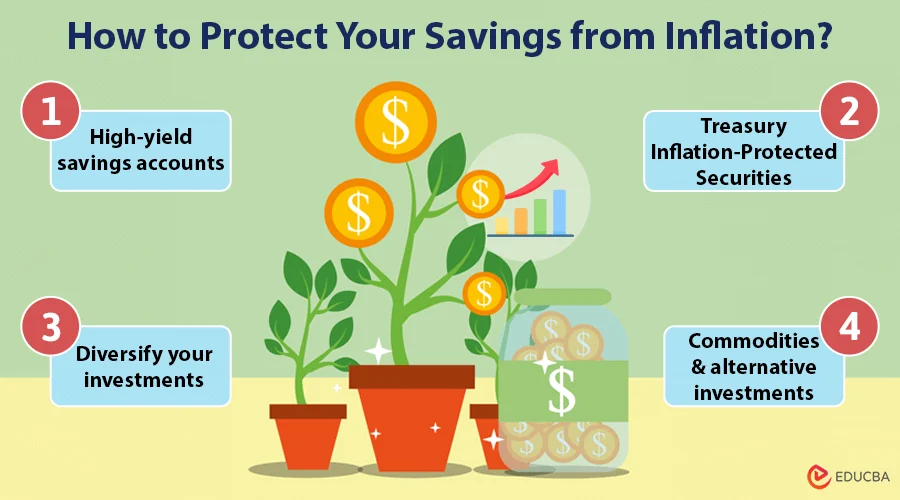
Inflation is a challenge, but with the right strategy, you can defend your finances and even come out ahead.
Inflation in 2026 continues to squeeze household budgets, making it feel impossible to save. With the cost of groceries, housing, and services rising, the value of your money is effectively shrinking. However, financial experts agree that a passive approach is the real enemy. By shifting your mindset from victim to strategist, you can implement specific, proactive moves to not only survive but strengthen your financial position during these times. This guide combines the most effective tactics from financial planners and institutions to help you save money, even now.
The High Cost of Doing Nothing
The average loss in purchasing power per year if your savings earn 0.5% interest while inflation runs at 3.7%. Your money is losing value in a low-yield account.
The Three-Pillar Framework for Inflation Battlegrounds
Think of managing high inflation as a three-front war. You need to attack unnecessary spending, defend your existing savings from erosion, and grow your income to outpace rising costs. Focusing on just one area isn't enough.
Your Inflation-Fighting Triad
Attack Spending
Aggressively cut non-essential costs and audit every bill. Free up cash flow.
Defend Savings
Move cash to high-yield accounts and tackle high-interest debt. Stop the bleed.
Grow Income
Boost earnings through raises, side hustles, or new skills. Increase your resources.
Pillar 1: Attack Spending with a Strategic Budget Audit
You can't save what you blindly spend. The first step is to conduct a ruthless "cost audit" of your last three months of bank and credit card statements. Categorize every expense as a **Need, Value, or Want**. Needs are survival (basic groceries, rent). Values are important to you (organic food, a gym membership). Wants are everything else. This clarity is power.
Targeted Spending Cuts That Add Up Fast
Slash Grocery & Food Bills
Save $100-$300+/monthYour biggest flexible expense. Food costs are up, but this area has the most room for smart cuts.
- Shop with a list & buy store brands: This simple combo can cut your bill by 20-40%. Generic items often have the same ingredients.
- Plan weekly meals: Avoid the "5 p.m. panic" that leads to expensive takeout. Cooking at home is almost always cheaper.
- Use rewards credit cards wisely: If you pay the balance in full each month, a card with supermarket cash back turns a necessary expense into a savings tool.
- Eat less meat & buy in bulk: Incorporate plant-based meals and stock up on non-perishables when they're on sale.
Pro Tip: Never shop hungry. It leads to impulse buys that blow your budget and your grocery bag.
Reduce Housing & Utility Costs
Save $50-$200+/monthNegotiate and optimize. These are often considered fixed costs, but they don't have to be.
- Negotiate your rent or consider a roommate: If you have a good payment history, ask your landlord. A roommate can halve your biggest expense.
- Crush your energy bill: The U.S. Department of Energy states you can save 10% on heating/cooling by adjusting your thermostat 7-10 degrees for 8 hours a day. Use LED bulbs, unplug "vampire" electronics, and run full loads of dishes and laundry.
- Audit your subscriptions: Cancel unused streaming services, gym memberships, and app subscriptions. Your local library offers free movies, music, and books.
- Shop your insurance: Get quotes from other providers and ask your current one about bundling discounts.
Pro Tip: For homeowners, making one extra mortgage payment per year can shorten your loan term and save thousands in interest.
Quick Inflation Hacks for Immediate Relief
Pillar 2: Defend Your Savings from Erosion
Money sitting in a traditional savings account earning 0.1% interest is losing the inflation war. Your defense strategy has two parts: making your savings work harder and reducing the debt that drags you down.
The Critical Math: Where to Put Your Money First
This simple comparison shows why prioritizing high-interest debt is often the best "investment" you can make.
Action Plan: 1) Build a small emergency fund ($1,000). 2) Aggressively pay down high-interest debt. 3) Fully fund your emergency savings (3-6 months of expenses) in a high-yield account.
Debt Defense Tactics
- Use the "avalanche method": List debts by APR. Pay minimums on all, and throw every extra dollar at the highest-rate debt first. "Structure beats willpower every time," says financial expert Alexa von Tobel.
- Explore balance transfers: A 0% introductory APR card can give you a 12-21 month window to pay down debt without accruing interest.
- Consider refinancing: For student loans or auto loans, a lower fixed rate can reduce monthly payments and total interest.
Pillar 3: Grow Your Income to Outpace Inflation
Cutting costs has limits, but your earning potential does not. In an inflationary environment, increasing your income is a powerful way to regain control.
Income-Boosting Avenues for 2026
You don't have to wait for a promotion. Explore these paths to bring in more money.
Maximize Your Main Job
- Negotiate a raise: Document your achievements and demonstrate your value. With higher costs, a raise is essential to maintain your standard of living.
- Secure your position: "Make sure you are adding value with your employer," advises financial wellness manager Sarah Young. Be indispensable.
- Get the full 401(k) match: This is free money and part of your total compensation. Contribute at least enough to get the full match.
Develop "Upskill" Assets
- Learn in-demand skills: CPA Angelo Crocco calls upskilling a key asset. "Earning outside your main job gives you flexibility and inflation can't take out that ingenuity".
- Explore automation or coding basics. Use free or low-cost online courses to build valuable skills.
Start a Strategic Side Hustle
- Align with your interests: Dog walking, freelance writing, tutoring, or selling crafts online. Choose something sustainable.
- Use it for specific goals: Fund your "price-resistant" cash bucket for essentials or accelerate debt payoff. This makes the extra work feel purposeful.
The Inflation-Proof Mindset & Long-Term Plan
Start Your Counter-Offensive Today
Inflation is an economic reality, but financial defeat is not. You have the tools. Start with a single action from this guide: open a high-yield savings account, cancel one unused subscription, or schedule a conversation about a raise. The most powerful move is the first one. By attacking spending, defending savings, and growing income, you're not just protecting your money—you're declaring that your financial future is worth fighting for.