
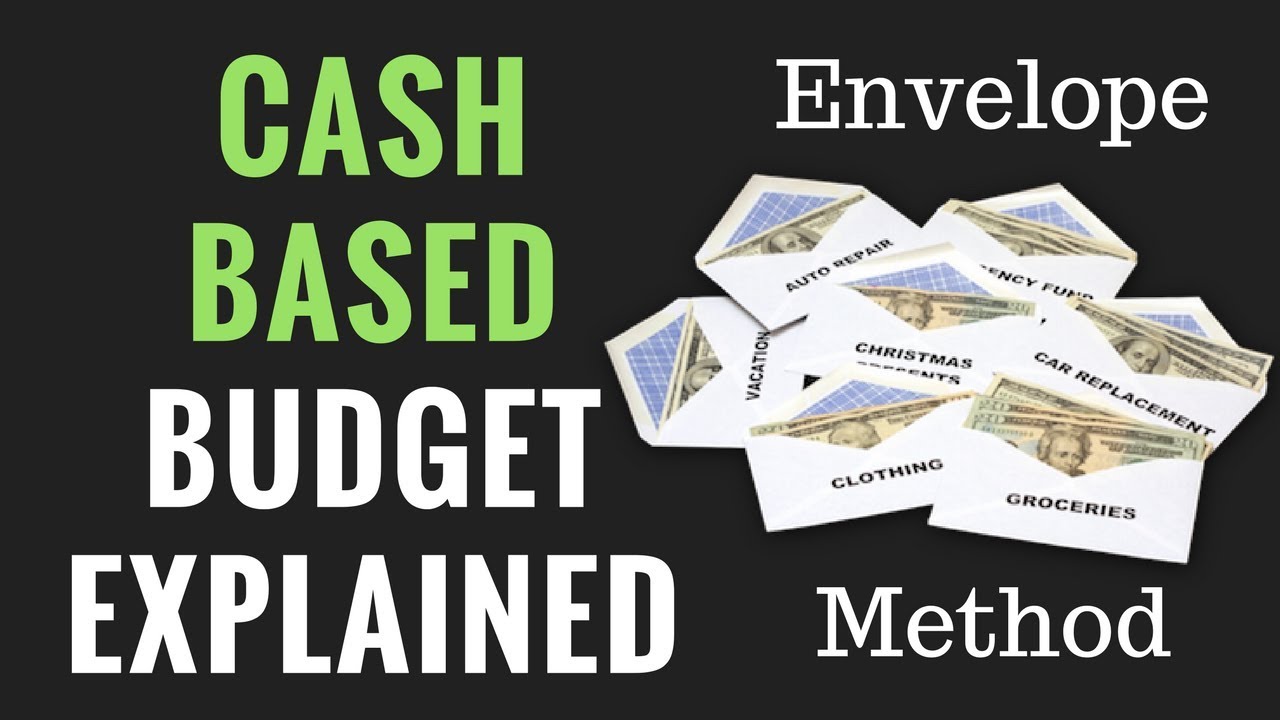
The envelope method bridges generations: tangible cash for discipline, digital apps for modern convenience.
In an era of contactless payments, digital wallets, and AI-powered finance apps, a budgeting method from our grandparents' generation is experiencing a viral resurgence. Known as "cash stuffing" on social media, the traditional envelope system is being hailed as a powerful antidote to invisible, frictionless spending. But does dividing cash into physical envelopes truly have a place in 2026? The answer is a fascinating "yes, but..."—it works, but it has evolved dramatically. This guide explores why the core principle remains potent, how it has adapted for the digital age, and how to choose the right version for your life.
The Traditional Method
Assign physical cash to labeled envelopes for variable spending categories like groceries and entertainment. Spending stops when the cash is gone.
The Digital Evolution
Apps like Goodbudget and YNAB create virtual "envelopes," applying the same disciplined allocation without carrying cash.
Why It Works
It creates psychological "friction," making spending tangible and visible. This heightens awareness and curbs impulse buys more effectively than abstract card swipes.
The Unbeatable Psychology: Why This "Old" Method Is So Effective
The envelope system's power isn't in the paper; it's in the psychology. In a digital world, spending is abstract. Tapping a phone or swiping a card doesn't create the same emotional response as handing over physical bills. This disconnect makes it easy to overspend.
The envelope method forces a tangible connection. You see the money, you feel it leave your hand, and you watch the envelope grow thinner. This visual and physical feedback creates a natural stopping point that digital balances often lack. As one article notes, this "psychological friction is your best ally in stopping impulse purchases".
The Golden Rule of Envelope Budgeting
"When the money in an envelope is gone, spending in that category stops. No borrowing from other envelopes." This simple, non-negotiable rule is what builds true financial discipline. It forces creativity and prioritization when funds run low, rather than reaching for a credit card.
From Cash to Cloud: The Evolution of a Classic
The method has intelligently adapted to modern life. You're no longer limited to a stack of cash and paper envelopes.
The Envelope Method's Journey to 2026
Top Digital Envelope & Zero-Based Budgeting Apps
For those who prefer not to carry cash, several excellent apps faithfully translate the envelope method to your smartphone. They often incorporate zero-based budgeting—the principle of giving every dollar a job so your income minus expenses equals zero.
Goodbudget
Faithfully digitizes the classic envelope system. Perfect for those who love the envelope concept but want the convenience of an app.
- Create digital envelopes for any category
- Sync budget across phones and the web
- Track spending against envelope limits
- Great for shared household budgeting
Best for: Envelope purists moving to digital.
YNAB (You Need A Budget)
A powerful, philosophy-driven app built on zero-based budgeting (giving every dollar a job). It's like envelope budgeting with extensive training wheels and support.
- Robust goal setting and reporting
- Auto-imports bank transactions
- Excellent educational resources
- "Age Your Money" philosophy
Best for: Those wanting deep control and a proactive budgeting philosophy.
Actual Budget / Envelope (Bank)
Represents the cutting edge: banking services with envelope budgeting built directly into the account. Your debit card spending is automatically deducted from the correct digital envelope.
- Banking and budgeting in one place
- Real-time spending tracking
- Virtual and physical debit cards
- Automated envelope funding
Best for: Tech-savvy users who want seamless, automated budgeting.
Weighing the Options: Physical vs. Digital Envelopes
Choosing between traditional cash envelopes and a digital system depends on your personality, lifestyle, and spending challenges.
The Case FOR Traditional (Cash) Envelopes
- Maximum Psychological Impact: The tactile act of handing over cash creates the strongest possible spending friction, making it ideal for breaking bad habits.
- Simpler & More Accessible: No app setup, no tech required. Just envelopes, cash, and a pen.
- Complete Privacy: Your spending isn't tracked in any app or bank database.
- Forces Immediate Discipline: You can't spend money you physically don't have with you.
The Challenges & Digital Advantages
- Inconvenience & Security: Carrying large amounts of cash is risky and impractical for many transactions (online shopping, bills).
- Lacks Detail: Harder to track exactly where every dollar went compared to app analytics.
- No Automation: Can't automate savings transfers or bill payments from a cash envelope.
- Digital Solutions Fix This: Apps provide real-time tracking, security, online spending ability, and automated savings while preserving the envelope principle.
Who Is The Envelope Method For? Find Your Fit
This method isn't a one-size-fits-all solution, but it's remarkably effective for specific situations and personalities.
Which Envelope Style Fits Your Life?
Consider these common scenarios to see where the method shines:
You consistently overspend on daily "wants" (coffee, lunches, impulse buys). You learn best with physical, visual tools. You want a powerful reset for your spending habits.
You shop online frequently or pay bills digitally. You want detailed reports on your spending. You share finances with a partner and need to sync a budget.
Use cash envelopes for problem categories (dining out, fun money) but a digital app or auto-pay for fixed bills (rent, utilities, savings). This offers targeted discipline with modern convenience.
Your 5-Step Plan to Start Envelope Budgeting
Ready to try it? Follow this actionable plan to implement the system successfully, whether you choose cash or an app.
Identify Your Variable Spending Categories
Don't use envelopes for fixed bills (keep those on autopay). Focus on categories where you tend to overspend: Groceries, Dining Out, Entertainment, Personal Care, Gas, "Fun Money".
Set Your Cash Limits & Withdraw
Based on your monthly budget, decide how much cash goes in each envelope. Withdraw the total amount. For digital apps, input these amounts as your category limits.
Fund and Label Your Envelopes
Label physical envelopes or create digital categories. Place the allocated cash inside or set the budget in your app. This is your spending plan made visible.
Spend Only From the Designated Envelope
When shopping for groceries, use only the "Groceries" envelope or category. If the money runs out, you stop spending in that category for the period. This is the core discipline.
Review, Adjust, and Carry Over
At month's end, review what's left. Roll over leftover cash to next month or move it to savings. Adjust next month's allocations based on what you learned.
The Verdict: Timeless Principle, Modern Execution
So, does the envelope budgeting method still work in 2026? Absolutely—its core principle is more relevant than ever. In a world designed for frictionless spending, creating intentional friction is a superpower.
The method's genius is its adaptability. You can adopt the original, high-impact cash version for a spending detox. You can use a slick app like Goodbudget for digital convenience. Or you can choose an integrated service like Envelope that bakes the philosophy directly into your banking.
The goal isn't to live in the past; it's to use a proven psychological tool to gain control. Whether through paper or pixels, the envelope method answers the essential budgeting question: "Can I afford this?" with a clear, visual, and undeniable answer. That's a power that never goes out of style.